September 16, 2026
A home furnace is one of the most important systems for maintaining comfort during colder months. Understanding how it works, what components require attention, and when professional maintenance may be needed can help homeowners improve efficiency, reduce unexpected breakdowns, and maintain a safer indoor environment. Modern furnaces are available in several fuel types and efficiency levels, giving homeowners more options than ever before. Knowing the basics can also make it easier to communicate with a local furnace service when inspections, repairs, or upgrades become necessary.
1. Understanding Common Furnace Types
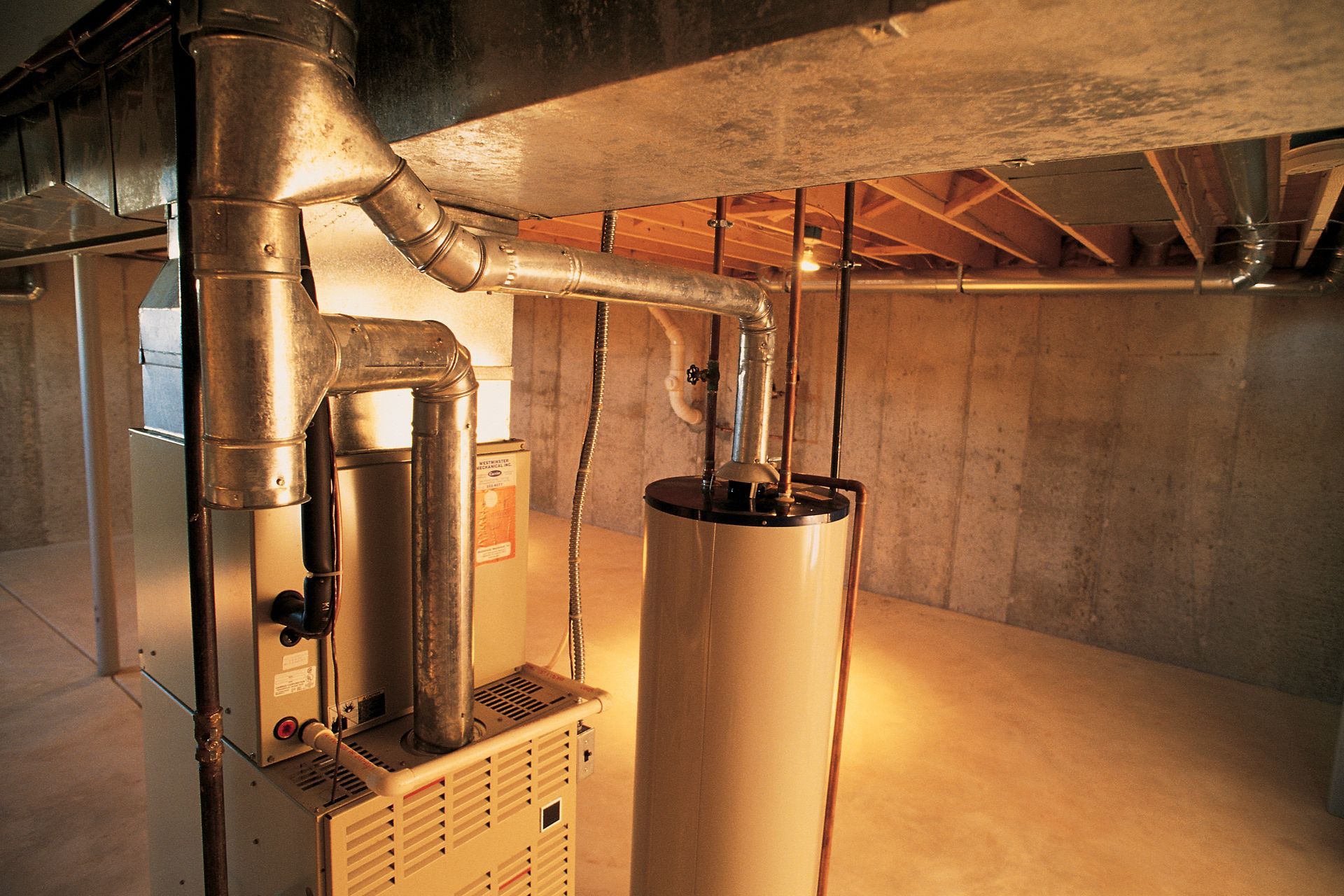
Gas furnaces are among the most common heating choices in the United States. They burn natural gas or propane in a combustion chamber, and the heat produced is transferred to air that moves through the home's ductwork. These systems are valued for their ability to heat a house quickly and perform well in cold climates. According to This Old House, forced-air furnaces are a leading furnace style in the U.S., and many use gas as their fuel source.
Electric furnaces rely on heating elements instead of combustion. They are often selected where natural gas is unavailable and generally have fewer moving parts, although operating costs may be higher where electricity is expensive. Oil furnaces remain common in some colder regions and can produce strong heat output, but they require an on-site tank and more cleaning because combustion may create soot. Propane systems are useful for rural homes, while hybrid furnaces combine a heat pump with another heating source. A local furnace service can help homeowners compare these options based on climate, fuel availability, and existing infrastructure.
2. Knowing the Main Furnace Components
The heat exchanger is one of the most important parts of a combustion furnace. It transfers heat from the combustion process to circulating air while keeping combustion gases separated from indoor air. Because cracks or deterioration may create serious safety concerns, the heat exchanger should be inspected periodically by a qualified professional.
The thermostat controls when the furnace starts and stops. Programmable and smart thermostats can reduce unnecessary heating by adjusting temperatures according to household routines. The blower motor and fan distribute heated air through the ductwork, while air filters help prevent dust and debris from reaching sensitive components. During a local furnace service appointment, technicians may inspect these parts, check electrical connections, and look for signs of wear that could affect performance.
3. Maintaining Filters and Airflow
Air filters protect furnace components while helping reduce dust, pollen, and other particles circulating through the home. A dirty filter can restrict airflow, force the furnace to work harder, and contribute to higher energy use. In many homes, filters should be checked every one to three months, although the ideal schedule depends on filter type, system usage, pets, and indoor air quality.
Ductwork also influences furnace performance. Loose connections, leaks, crushed sections, or inadequate insulation can allow heated air to escape before it reaches living areas. Rooms that remain unusually cold may indicate airflow problems rather than furnace failure. Sealing accessible leaks, keeping vents open, and removing objects that block registers can improve comfort while reducing strain on the system.
4. Scheduling Routine Furnace Maintenance
Routine maintenance helps keep a furnace operating safely and efficiently throughout the heating season. Dust can collect around burners, sensors, motors, and other components, making periodic cleaning important. Homeowners can usually handle simple tasks such as replacing filters and keeping the area around the furnace clear, but internal cleaning and combustion-related work should be left to trained professionals.
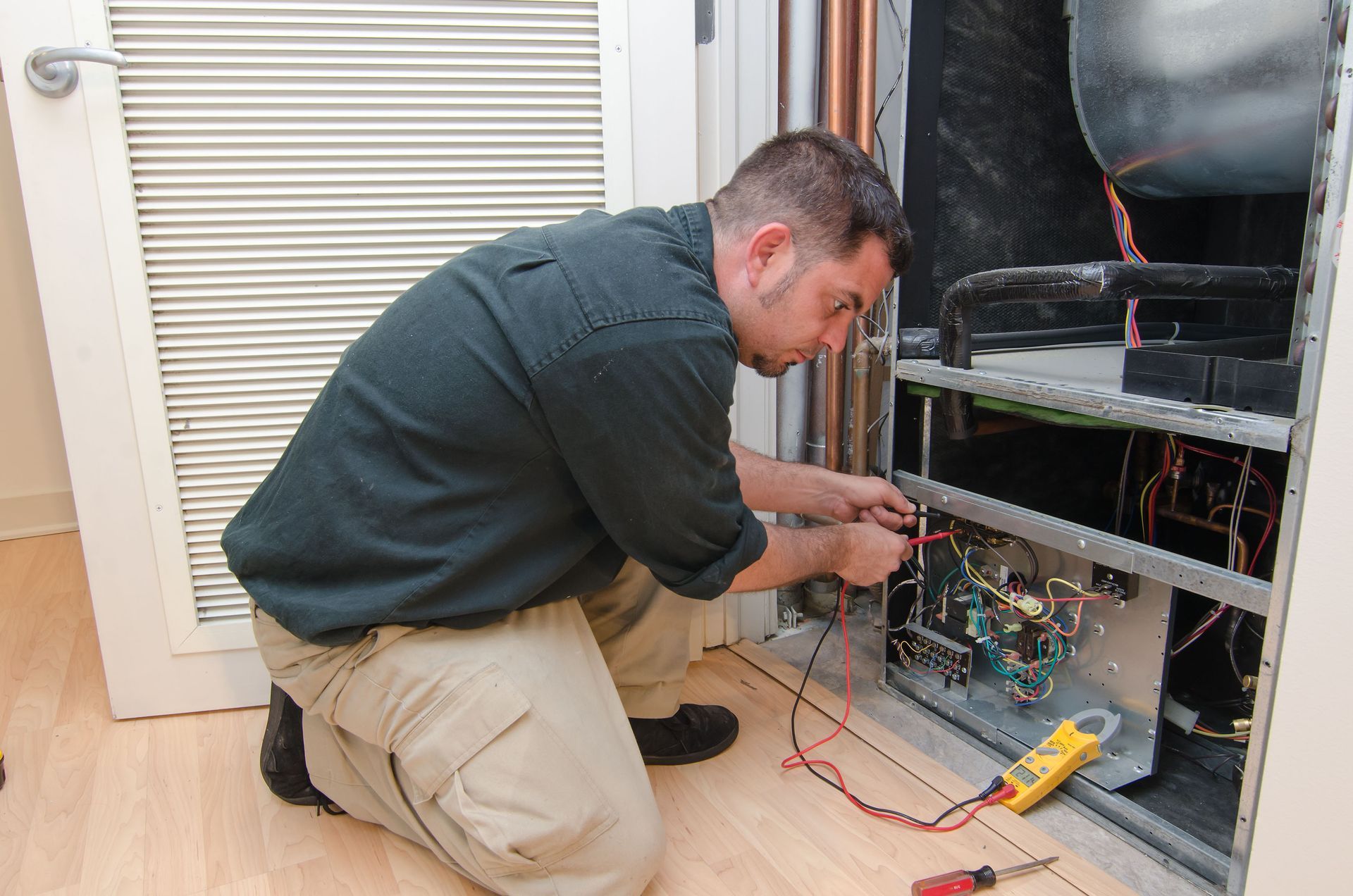
An annual inspection from a local furnace service can identify worn parts, ignition problems, airflow restrictions, weak electrical connections, or combustion concerns before they cause a winter breakdown. A technician may also evaluate thermostat operation, inspect safety controls, check the blower, and verify that the furnace starts and shuts down correctly. Preventive attention can help homeowners track the condition of the system and determine when repairs or replacement may be more practical.
5. Recognizing Signs of Furnace Trouble
Changes in furnace behavior can provide early warning of developing problems. Common signs include unusual rattling, squealing, grinding, or banging noises; frequent cycling; weak airflow; uneven heating; unexpected increases in utility bills; and difficulty maintaining the thermostat setting. A furnace that struggles to ignite or shuts down shortly after starting may have a problem involving sensors, airflow, fuel delivery, or another component.
Homeowners can perform a few basic checks before requesting repairs. Confirm that the thermostat is set to heat, verify that the furnace has power, inspect the filter, and make sure supply vents are open. However, gas odors, repeated ignition failures, electrical burning smells, or carbon monoxide alarms require immediate attention. In those situations, contacting a local furnace service is safer than attempting to diagnose internal components without proper training.
6. Prioritizing Furnace Safety
Combustion furnaces require special attention to ventilation and carbon monoxide safety. Carbon monoxide detectors should be installed and maintained according to local codes and manufacturer recommendations. The area surrounding the furnace should remain free from gasoline, paint thinner, paper products, and other combustible materials. Furnace access panels should also remain properly secured during normal operation.
Homeowners should know the location of electrical disconnects and fuel shutoff valves, but they should avoid disassembling combustion components without proper experience. If a carbon monoxide alarm sounds or a strong gas odor is present, occupants should leave the home and follow emergency guidance from the appropriate utility or emergency service. A local furnace service can inspect the equipment after the immediate danger has been addressed.
7. Understanding Furnace Efficiency
Annual Fuel Utilization Efficiency, commonly called AFUE, describes how efficiently a furnace converts fuel into usable heat over a heating season. A higher percentage indicates less wasted fuel. Older furnaces may operate at significantly lower efficiency levels than modern equipment, which can increase heating costs even if the system still produces adequate warmth.
Efficiency depends on more than the furnace rating alone. Insulation, air sealing, duct condition, thermostat settings, filter maintenance, and proper equipment sizing all influence real-world performance. An oversized furnace may cycle too frequently, while an undersized unit may run for long periods without reaching the desired temperature. Improving insulation and sealing air leaks can also reduce the amount of heating a home requires.
8. Considering a Furnace Upgrade
Replacement may be worth considering when a furnace is aging, requires frequent repairs, produces uneven heat, or causes steadily rising utility costs. Newer models may offer variable-speed blowers, multi-stage burners, improved controls, and higher efficiency ratings. However, the highest-efficiency model is not automatically the best fit for every home. Fuel prices, climate, ductwork, insulation, and installation costs should all factor into the decision.
Before replacing equipment, homeowners can ask a local furnace service to evaluate the current system and provide options based on the home's heating needs. A professional assessment can help determine whether targeted repairs, airflow improvements, thermostat upgrades, or full replacement offer the best value. Rebates or efficiency incentives may also be available for qualifying equipment in some areas.
With regular care, prompt attention to warning signs, and informed decisions about efficiency and replacement, homeowners can keep their heating systems safer and more reliable. Establishing a consistent maintenance schedule also helps prepare the furnace for periods of heavy use while supporting dependable comfort throughout the colder months. Contact our team at Quiet Corners Mechanical Services, LLC today and learn more about our furnace services.