July 15, 2026
If you've been shivering through drafty rooms in the winter or sweating through uneven cooling in the summer, you've probably started researching alternatives to your traditional furnace or window units. One option that keeps coming up is the ductless mini split. These compact, versatile systems have grown enormously in popularity over the last decade, and for good reason. They offer flexible heating and cooling, impressive energy savings, and a level of comfort control that older systems simply can't match. But before you commit, it's worth understanding what a mini split installation actually involves, why it might be the right choice for your home, and why working with a qualified professional matters so much when it comes time to have one put in. This post will walk you through the key benefits, cost considerations, and practical realities of bringing this technology into your living space.
Why Mini Split Installation Delivers Superior Comfort
One of the biggest selling points of a ductless system is the level of comfort it provides compared to a traditional forced-air setup. Instead of pushing air through a single network of ducts that services an entire home, this kind of ductless setup places individual indoor units in the specific rooms or zones where you need conditioned air. In our experience, this means you can heat your home office to a cozy 72 degrees while keeping a rarely used guest room several degrees cooler, all without wasting energy conditioning space you're not using. Each zone operates independently, so family members with different temperature preferences no longer have to fight over the thermostat. Because there are no ducts involved, you also avoid the temperature swings and air leakage that plague many duct-based systems, especially in older homes where ductwork may be poorly sealed or improperly sized. The result is steadier, more consistent comfort throughout the day, in every season.
Why Mini Split Installation Saves You Money
Energy efficiency is often the deciding factor for homeowners weighing a mini split installation against other heating and cooling options. Ductless systems use advanced inverter-driven compressors that adjust their output based on real-time demand, rather than cycling on and off at full power like older equipment. This allows them to maintain a set temperature while using significantly less electricity. According to Energy Star, certified mini split units consume as much as 60% less energy than standard electric radiators found in many homes. Over the course of a year, that kind of efficiency can translate into real, measurable savings on utility bills, particularly in climates with long heating seasons. Because there are no ducts to leak conditioned air into attics, crawl spaces, or walls, you also avoid the energy losses that are common with central systems, which can waste a significant portion of heated or cooled air before it ever reaches its intended room. For homeowners looking to cut costs without sacrificing comfort, this efficiency advantage is hard to ignore.
Why Mini Split Installation Requires Professional Expertise
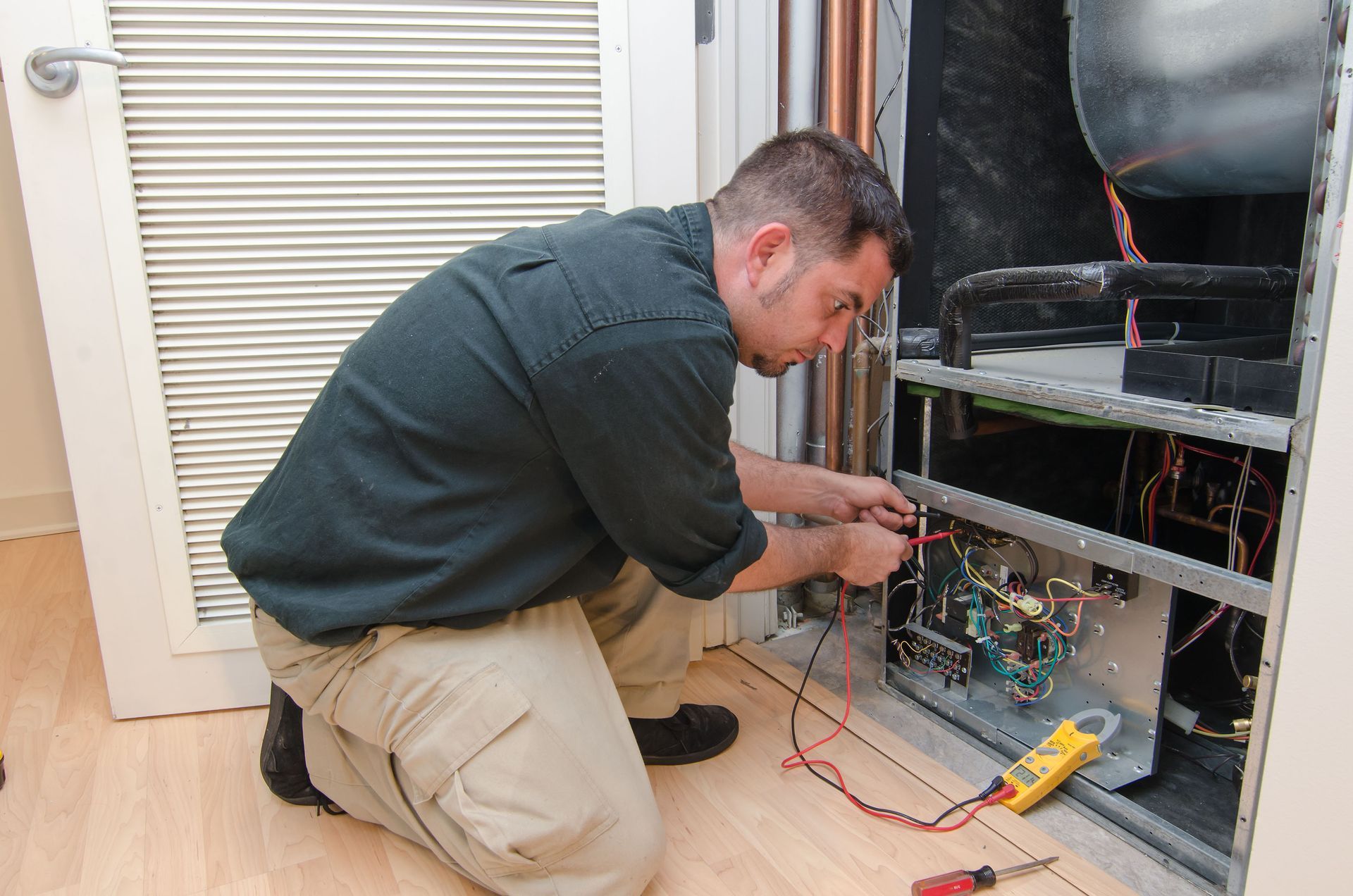
While the individual components of a ductless system might look simple, properly setting one up is a technical process that should always be handled by trained professionals with hands-on experience in residential HVAC work. Correct sizing is one of the most critical factors: an undersized system will struggle to keep up with demand, while an oversized one will cycle inefficiently and fail to properly dehumidify your space. Technicians use load calculations that account for your home's square footage, insulation levels, window placement, and local climate to determine the right capacity for each zone. Beyond sizing, the refrigerant lines connecting the outdoor compressor to the indoor air handlers must be carefully measured, sealed, and charged to manufacturer specifications. Even small errors in refrigerant charge can reduce efficiency and shorten the lifespan of the equipment. Electrical work, condensate drainage, and mounting also require specialized knowledge to avoid costly mistakes down the road. Hiring an experienced, licensed contractor ensures that your system is set up correctly from day one, which protects your investment and helps you get the full energy and comfort benefits the technology is designed to deliver.
Why Mini Split Installation Fits Nearly Any Home
Another reason ductless systems have become so popular is their adaptability. Whether you live in a century-old home with no existing ductwork, a modern addition that's difficult to tie into your central system, or a garage conversion that needs standalone climate control, a mini split installation can usually be configured to meet your needs. Single-zone systems work well for small additions, converted attics, or home offices, while multi-zone setups can serve an entire house with several indoor units connected to one outdoor compressor. Because the connection between indoor and outdoor units only requires a small conduit through an exterior wall, there's no need for invasive construction or extensive duct runs. This makes ductless systems especially appealing for renovations, historic properties where preserving original architecture matters, and any space where running traditional ductwork would be impractical or prohibitively expensive. A knowledgeable installer can walk through your home, assess your layout, and recommend a configuration that balances coverage, aesthetics, and budget.
Why Mini Split Installation Is a Smart Long-Term Investment
When you weigh the upfront cost of a mini split installation against the long-term benefits, the math tends to favor ductless systems for many homeowners. Yes, the initial investment can be higher than a simple space heater or window unit, but the combination of energy savings, extended equipment lifespan, and reduced maintenance needs often makes up the difference over time. Many ductless systems are built to last well over a decade with proper care, and because they don't rely on ductwork that can develop leaks or accumulate dust and allergens, indoor air quality tends to stay higher as well. Some utility companies and local governments also offer rebates or tax incentives for installing high-efficiency, Energy Star-certified equipment, which can offset a portion of the initial cost. When you factor in the flexibility to heat or cool only the rooms you're using, the savings can add up considerably compared to conditioning an entire home uniformly. For anyone planning to stay in their home for the foreseeable future, this long-term value is a compelling reason to consider making the switch.
Choosing the right heating and cooling solution is a significant decision, and it's one that affects your comfort, your energy bills, and your home's value for years to come. Mini split systems offer a compelling combination of efficiency, flexibility, and precise comfort control that traditional systems often can't match. From targeted zone heating to substantial energy savings backed by real-world data, the benefits are hard to overlook, especially for homes where traditional ductwork isn't practical or has become inefficient over time. Just remember that the quality of your equipment is only half the equation. The other half is expert installation, proper sizing, and careful attention to the details that keep your system running efficiently for years to come. Skipping that step, or trusting it to an inexperienced installer, can quietly undo many of the savings and comfort gains you're hoping to achieve.
If you're considering making the switch and want it done right the first time, we'd love to help. At Quiet Corners Mechanical Services, LLC, we specialize in helping homeowners find and install the right ductless system for their space, budget, and comfort goals. Reach out to us today to schedule a consultation and take the first step toward a more comfortable, energy-efficient home.